
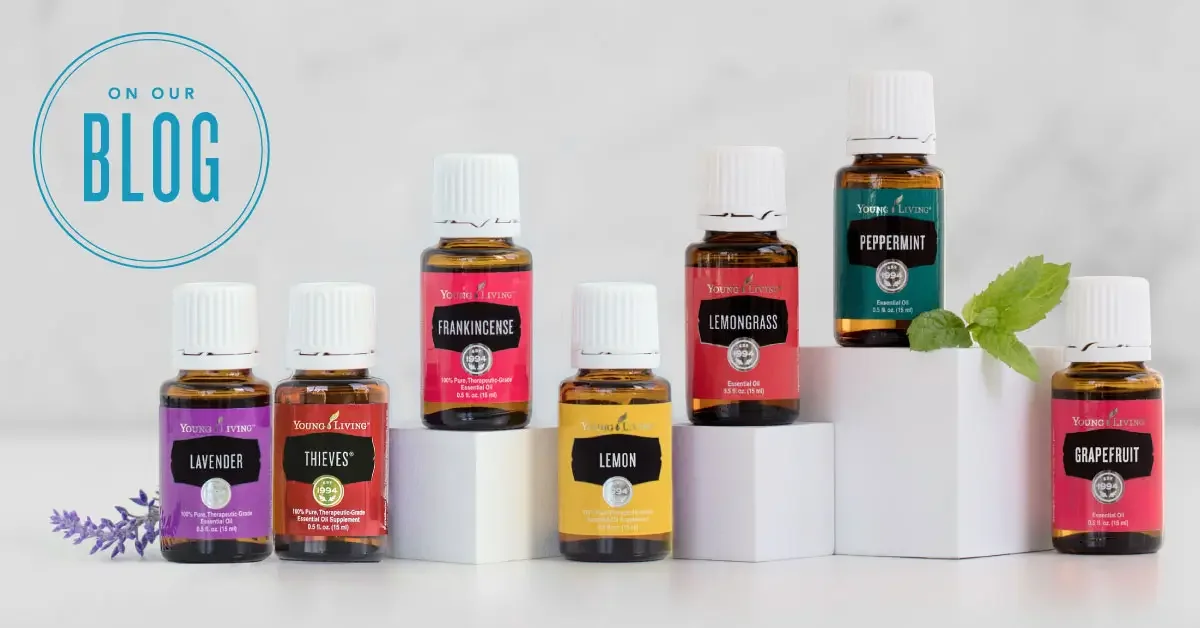
What Are Essential Oils?
Essential oils are that aromatic, volatile liquid within plants, capturing each plant's signature scent, flavour, and natural benefits. These powerful substances can be found in a plant's seeds, flowers, bark, roots, leaves, stems, rinds, and resin. More than just pleasant fragrances, essential oils have been used across cultures for over 3,000 years to support wellness, elevate mood, and enhance everyday life. Wellness Centres (such as Corner Mountain Inn & Wellness Centre) use essential oils everyday from cleaning to spa/wellness treatments and savvy consumers have learned how to use essential oils at home as well.
Key Takeaways
Common essential oils include lavender, lemon, peppermint, and frankincense.
Essential oils are complex plant constituents used aromatically, topically, and internally.
Essential oils can help with sleep, skin care, home cleaning, cooking, and more.
Always follow safety precautions when trying a new essential oil.
Quality matters: look for transparent labeling grades and reputable companies that harvest plants at the right time for peak therapeutic valve. Reputable companies, such as Young Living, have a Seed to Seal guarantee.
Common Essential Oils & Their Benefits
Lavender
With its soft floral notes and instantly recognizable aroma, lavender is arguably the world's most beloved essential oil. Lavender is prized for its naturally soothing compounds which work together to ease occasional nervous tension, support calm, and nurture healthy-looking skin.
Ways to Use Lavender Oil:
Aromatherapy & Sleep: Diffuse a few drops in your bedroom before sleep, or add to a linen spray to promote a sense of calm and improve your bedtime routine.
Skin Care: Mix 1 - 2 drops with your daily moisturizer to soothe skin, reduce the appearance of blemishes, and enhance a youthful complexion.
Laundry: Add a few drops to your laundry detergent or wool dryer balls to infuse your clothes and linens with a fresh, calming scent.
Lemon
Extracted from the peel of Citrus lemon fruit, lemon essential oil is a cheerful, versatile powerhouse. Its bright, zesty aroma is known to uplift mood and energize the mind, while its natural cleansing properties make it a favourite in DIY home cleaning products. Lemon oil is also used in cooking and beverages, offering a crisp citrus flavour without the hassle of grating peels.
Ways to Use Lemon Oil:
Morning Diffusion: Diffuse lemon oil first thing in the morning to awaken your senses and cultivate an uplifting, energizing atmosphere for your home or workspace.
Home Cleaning: Add several drops to a spray bottle with water and a little white vinegar to create a fresh, plant-based all-purpose surface cleaner.
Culinary Use: Add a single drop to salad dressings, marinades, baked goods, or sparkling water for a bright citrus burst. Only use oils labeled safe for ingestion.
Peppermint
Peppermint essential oil is a cool and invigorating extract. Its key constituents deliver a refreshing, tingling sensation that makes it a go-to oil for physical activity, mental focus, and digestive support. Ancient Egyptians used peppermint oil as far back as 3,500 years ago, and modern science continues to validate its many benefits.
Ways to Use Peppermint Oil:
Post-Workout Muscle Relief: Dilute with a carrier oil (coconut or olive) and massage into fatigued muscles after exercise for a cooling, soothing sensation.
Focus & Study: Diffuse peppermint oil while working or studying to promote mental alertness and create an invigorating atmosphere.
Digestive Support: Add 1–2 drops to a veggie capsule or a glass of water (confirm label says safe for ingestion) to support healthy digestion.
Frankincense
Often called the "King of Oils," frankincense boasts a rich, warm, balsamic aroma that has grounded spiritual practices across cultures for over 3,000 years. It remains a staple for mindfulness practices and is celebrated in modern skincare for its ability to promote the appearance of healthy, youthful skin.
Ways to Use Frankincense Oil:
Meditation: Diffuse frankincense during meditation sessions to promote a grounding, calming atmosphere and deepen your sense of inner peace.
Skin Care & Anti-Aging: Dilute a few drops with a carrier oil and apply to your face to reduce the appearance of uneven skin tones and promote healthy, radiant skin.
Massage: Blend with a carrier oil and use for a relaxing full-body or targeted massage.
Frequently Asked Questions
-
There are three primary methods: aromatically (German model of diffusing or inhaling directly), topically (English model applying to skin, usually diluted with a carrier oil), and internally (French model ingesting food-grade oils as a dietary supplement). Each method offers different benefits, and not every oil is suitable for all three. Always read the label first. At Corner Mountain Inn & Wellness Centre, we use all 3 methods.
-
Always dilute essential oils with a neutral carrier oil such as V6, coconut, almond, or jojoba oil before applying to skin. Before widespread use, perform a patch test by applying 1 diluted drop to your forearm and waiting an hour or two for any reaction. If irritation occurs, apply more carrier oil (not water) to the area, as oils are fat-soluble and water will drive them deeper into the skin. Keep all oils away from eyes, ears, and soft tissues.
-
Yes, but only oils that are explicitly labeled safe for ingestion. Oils like lemon, lime, peppermint, oregano, and basil can add a delicious flavour boost to recipes and drinks. Always use glass or stainless steel containers when adding oils to beverages, as essential oils can degrade plastic.
-
Quality is everything, but this industry is not regulated the same as other products, so it is very important to look for a trusted, transparent company. Ask, where does a company source their products to make the oils? Buy your product from someone you trust.
Know that there are 4 grades of essential oils.
1. Therapeutic or medical grade. This indicates healing or therapeutic value. Again, buy from someone you trust.
2. Pure or Natural grade. In the USA and Canada, all you need is 5% of something pure or natural in a product to advertise that it is pure or natural. The other 95% could be anything.
3. Synthetic or chemical grade. Just as this sounds, these oils are synthetic or chemicals called ‘esters’. They can smell like the real thing, but are not good for your health. You can spot these on a quick walk down the aisle at your grocery store.
4. Floral water grade. These can be created from anyone of the above three grades of oils.
-
Yes, essential oils are potent, and a few key precautions apply. Citrus oils (lemon, lime, bergamot) can cause photosensitivity; avoid direct sun exposure on treated skin for 24–48 hours. Never use undiluted oils near the eyes, ears, or mucous membranes. If you are pregnant, nursing, or managing a health condition, consult your health care practitioner before use. And remember: more is not better, always start with the smallest effective amount.
-
Yes, essential oils are safe and can be used on animals. Always give your pet an option to leave the area where the oils are being used.
* These statements have not been evaluated by the Food and Drug Administration. These products are not intended to diagnose, treat, cure, or prevent any disease. Always consult a qualified healthcare provider before beginning any wellness regimen.