
Waterton Lakes National Park
Frequently Asked Questions About Waterton Lakes National Park
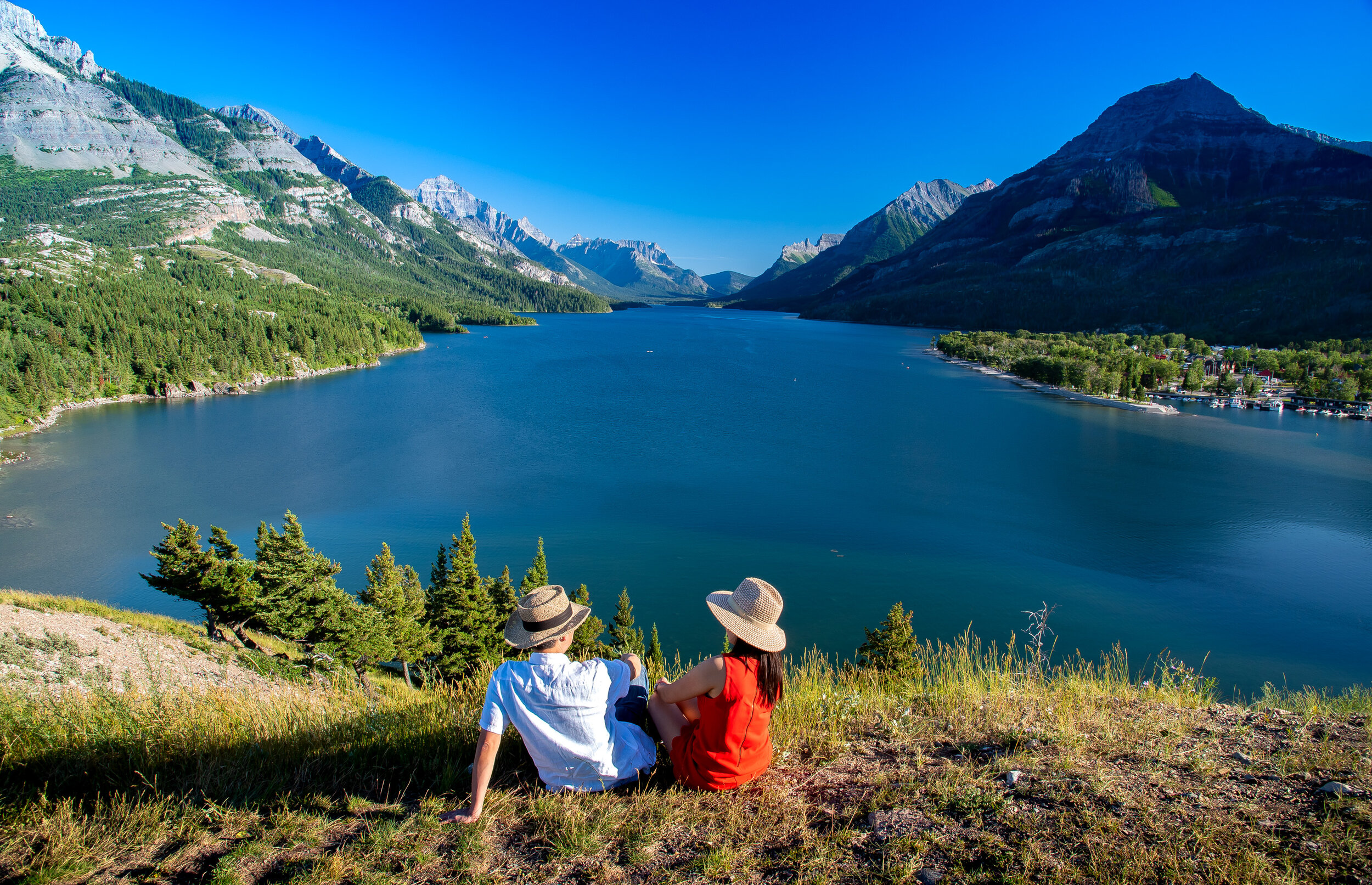
Located in the southwestern corner of Alberta, Waterton Lakes National Park is a hidden gem that offers breathtaking mountain scenery, diverse wildlife, and a unique international connection to its U.S. neighbor, Glacier National Park. Waterton punches well above its weight class, protecting an incredible concentration of biodiversity within its 505 square kilometers.
These FAQs will help anyone plan their trip to Waterton Lakes National Park with the basics including history, fees, and hours. Seasonal highlights, activity ideas, and wildlife viewing opportunities will make it easy to choose dates to visit. Lastly, tips on visiting both Waterton Lakes National Park and Glacier National Park while staying at Corner Mountain Inn & Wellness Centre will solve any logistical questions.
-
On May 30, 1895, a 140 square kilometer area was protected by the federal government as a Dominion Forest Park. Over the years, its status, boundary, and name have varied, evolving into what is now Waterton Lakes National Park of Canada. As Canada's fourth national park, Waterton holds the distinction of being the smallest park in the Canadian Rockies at just 505 square kilometers. Yet this compact size is precisely part of its charm; the park's smaller size means fewer crowds and a more intimate experience with nature. A little known and unique fact of Waterton is that it is home to over 1,000 species of vascular plants, with more than 400 species of wildflowers blooming from spring through summer. The park features 175 rare plant species, with over 20 species found only in this southwest corner of Alberta. Bear grass is one of those rare flowers.
No other national park in Canada safeguards so much biodiversity in such limited space. Within its borders, visitors can encounter over 250 species of birds, more than 60 species of mammals, 24 species of fish, 10 species of reptiles and amphibians, and thousands of species of insects and invertebrates.
The park also lies within traditional Siksikaitsitapi (Blackfoot) territory, and Parks Canada works closely with Indigenous partners to honor Blackfoot history, traditions, and connection to Paahtómahksikimi, the Sacred Lake within the Mountains.
-
Adult day fees are $12.25 per person. Savvy visitors know that the Discovery Pass offers excellent value, providing unlimited admission to 80 Parks Canada destinations for 12 months.
Visitors planning a summer 2026 trip should note the Canada Strong Pass initiative. From June 19 to September 7, 2026, admission is completely free for all visitors to Waterton Lakes National Park and all other Parks Canada locations, making this an ideal time to visit.
-
Waterton Lakes National Park is open year-round. Peak season runs through July and August, when weather is warmest and most facilities operate. These two months account for over half the park's annual visitors, so consider visiting on weekdays to avoid crowds.
From November to April, most townsite facilities close, but the park remains accessible for winter recreation. Heated washrooms and running water are available at the marina and visitor centre. The Parks Canada Visitor Centre operates year-round, open daily from 9 am to 4:30 pm (closed Christmas Day).
-
Spring brings vibrant wildflowers, including Waterton's signature bear grass, along with newborn wildlife and migratory birds. Snow melt creates spectacular displays at Cameron Falls. Pro tip: Spring in Waterton starts at the end of May.
Summer offers the warmest, driest weather and the widest range of activities, making July and August the most popular months. You can expect the high mountain hiking passes to be open mid July.
Fall provides exceptional wildlife viewing as animals become more visible in open grasslands. Larch and aspen groves turn golden, and large numbers of migrating waterfowl pass through, making it ideal for birding. The elk start bugling in September, the signal of the rut season.
Winter transforms the park into a quiet retreat perfect for snowshoeing and cross-country skiing, with wildlife easier to spot against snowy backdrops.
-
Wildlifecan be spotted year-round among the park's 60-plus mammal species. The park also hosts over 250 bird species, making it exceptional for birdwatching. Ten popular animals you may spot while visiting the park include bighorn sheep, black and grizzly bears, elk, mule and white-tailed deer, moose, Columbian ground squirrel, American dipper, grey jay, and mountain chickadee. Late summer and fall offer the best wildlife viewing as animals become more visible in open grassland areas.
-
Hiking trails range from easy lakeside strolls to challenging mountain ascents. Snowshoeing is popular in winter, with rentals available daily from 9 am to 4 pm at the visitor centre.
Swimming is available at several Upper Waterton Lake locations including Emerald Bay, Cameron Bay, Hay Barn Day Use Area, and Driftwood Beach, though the water is cold. Certified canoe, kayak, and paddleboard rentals are available from local retailers.
Don't miss finding one of the four sets of red Adirondack chairs placed in scenic locations throughout the park.
-
Yes! The parks share a unique international connection. By car, the Waterton entrance is approximately 30 minutes from the U.S. border at the seasonal Chief Mountain Port of Entry.
By boat, the M.V. International cruise lands at Goat Haunt Ranger Station within Glacier. Passports are not required for the standard 30-minute stop, but are necessary if you plan to hike or stay longer. The memorable 2-hour and 15-minute cruise on an historic 1927 vessel includes interpretive commentary about the area.
-
The Parks Canada Visitor Centre is essential for maximizing your experience. Open year-round daily from 9 am to 4:30 pm (closed Christmas Day), it provides maps, brochures, permits, backcountry reservations, and current information on weather, trails, and road conditions.
Interactive exhibits include the Thirteen Moons exhibit exploring Blackfoot lunar calendar significance and the Night Life Theatre showcasing nocturnal wildlife. The LEED Silver-certified building features sustainable design with responsibly sourced materials, native vegetation restoration, rainwater collection, and natural lighting.
-
Corner Mountain Inn & Wellness Centre, located just 15 minutes north of Waterton, offers Southern Alberta's premier bed and breakfast experience. With three thoughtfully appointed guest rooms, this wellness-focused retreat envelops guests in the beauty of the Southern Rockies and has welcomed visitors from around the world.
The Inn's wellness approach makes it ideal for combining outdoor adventure with relaxation. After exploring Waterton's trails and wildlife, guests return to a peaceful environment designed to promote wellbeing. The special Stay & Ride experience offers 10% off any ride with Alpine Stables when you book two nights, providing a perfect way to explore the region on horseback.
Join us at Corner Mountain Inn & Wellness Centre where we take the guess work out of your wellness journey.