
Wildflower Season in Waterton Lakes National Park: A Bloomer's Paradise
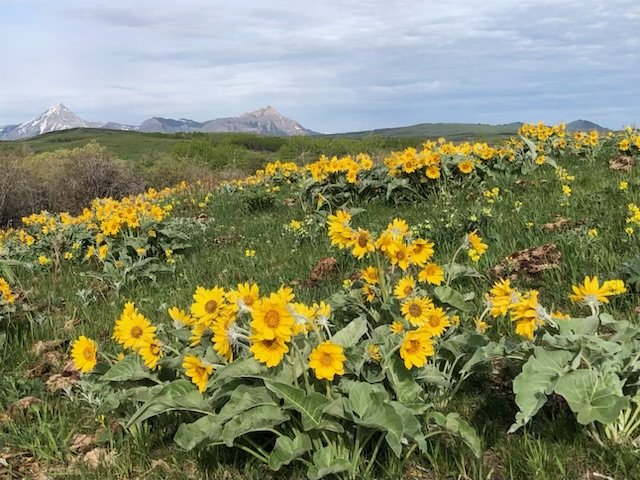
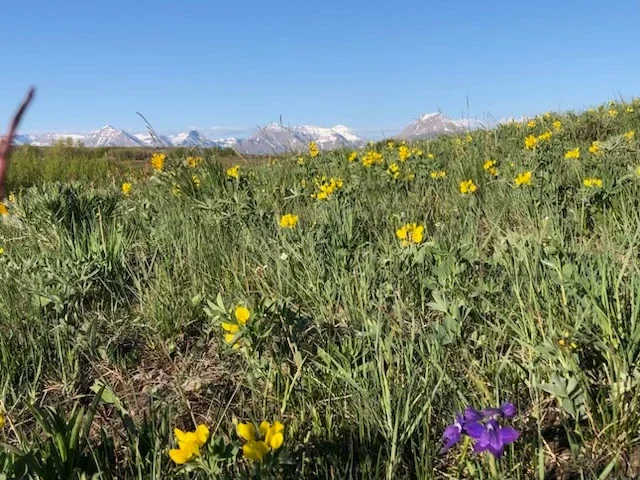
Tucked where the Rocky Mountains meet the Alberta prairies, Waterton Lakes National Park is one of Canada's most extraordinary wildflower destinations. With over 400 flowering plant species and 1,400 forms of vegetation, this UNESCO World Heritage Site earns its nickname "Wildflower Wonderland" every year when the snow begins to melt and the meadows erupt in colour. The best time to witness the spectacle on the grasslands is late spring and early summer, with mid-June typically offering the greatest variety. That said, wildflower season stretches well into summer, as higher-elevation species continue blooming through July and August.
Key Takeaways:
Waterton Lakes National Park is home to over 400 flowering plant species, 179 of which are rare in Alberta.
Mid-June is peak season on the grasslands; alpine blooms continue through July and August.
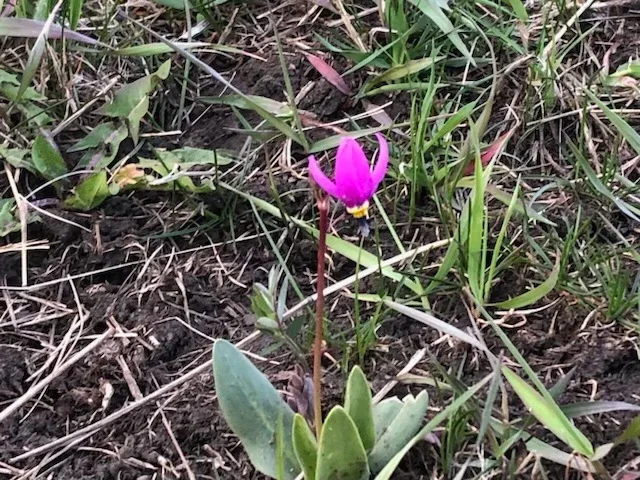
Several rare and unusual flowers grow here that are found nowhere else in Alberta.
Hikers, horseback riders, cyclists, and drivers all have excellent options for experiencing the wildflowers.
Guided tours with knowledgeable naturalists are available for those who want a deeper understanding of the park's unique ecosystem.
Guests of Corner Mountain Inn enjoy a special discount at Alpine Stables, making a wildflower horseback ride even more accessible.
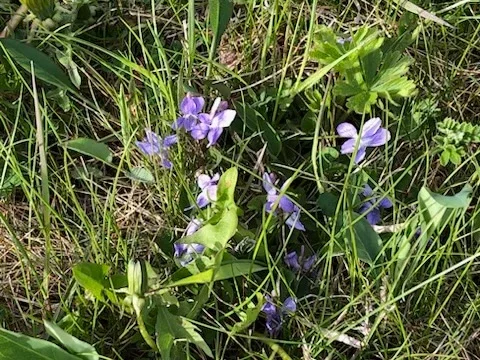
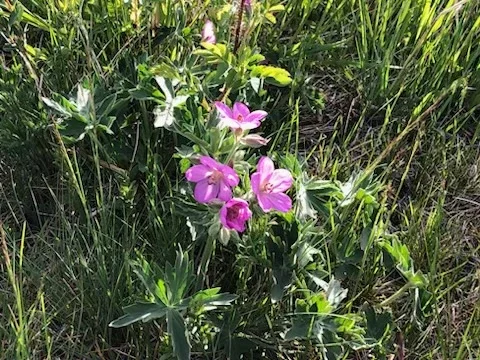
Rare and Remarkable Wildflowers of Waterton
What sets Waterton apart from other national parks is the sheer rarity and diversity of its flora. Twenty-two plant species found in the park exist nowhere else in all of Alberta, making every hike feel like a botanical treasure hunt.
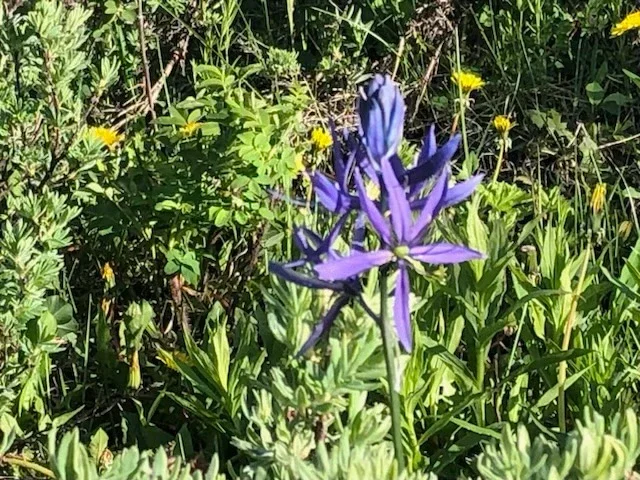
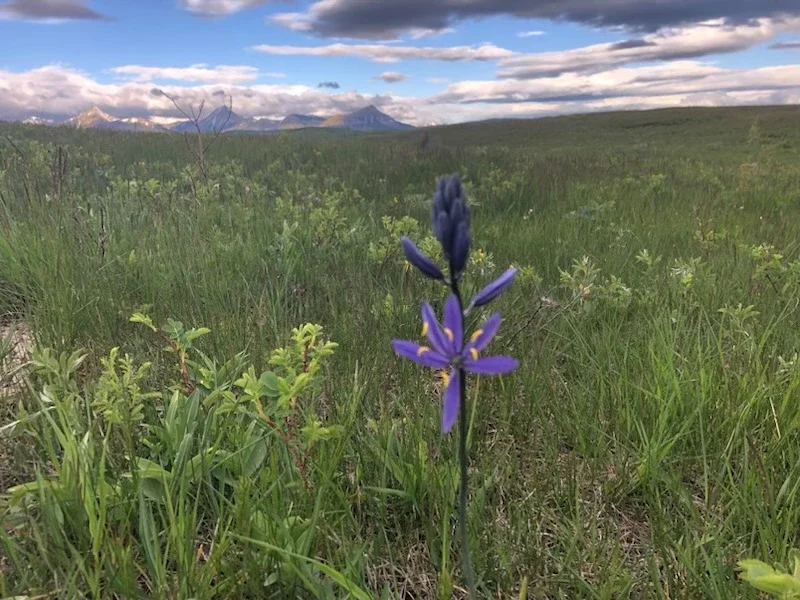
The Blue Camas is among the most coveted sightings. This exceptionally rare bulbous perennial produces vivid blue-violet flower spikes in late spring. Historically, this plant turned entire meadows into shimmering blue-purple seas, and Corner Mountain Inn even has a dedicated growing and viewing area for this stunning bloom.
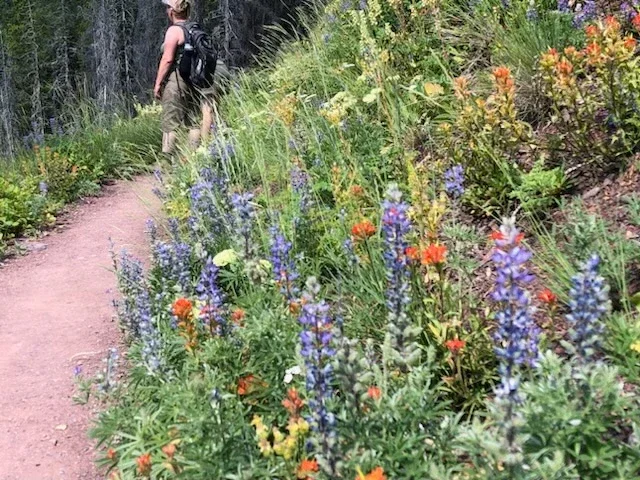
The Indian Paintbrush is another showstopper; while the fiery red variety is more commonly spotted, the rare cream-coloured version is a genuine treat for visitors lucky enough to cross its path.
The Mountain Bog Gentian rewards hikers willing to venture into wetter terrain. This lush herb features large, tubular bell-shaped flowers in deep blue or purple, speckled with yellow dots, and favours bogs, fens, wetlands, and moist mountain meadows from subalpine to alpine elevations.
Bog Orchids, the largest orchid genus in North America, are another highlight, identifiable by their distinctive fringed lip petal and sac-like spur.
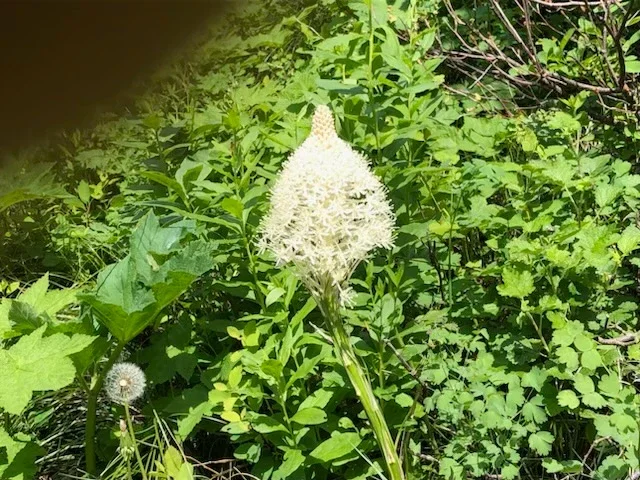
And then there is Beargrass, a dramatic plant that towers over a metre tall and produces large, fluffy white flower heads that are simply impossible to miss.
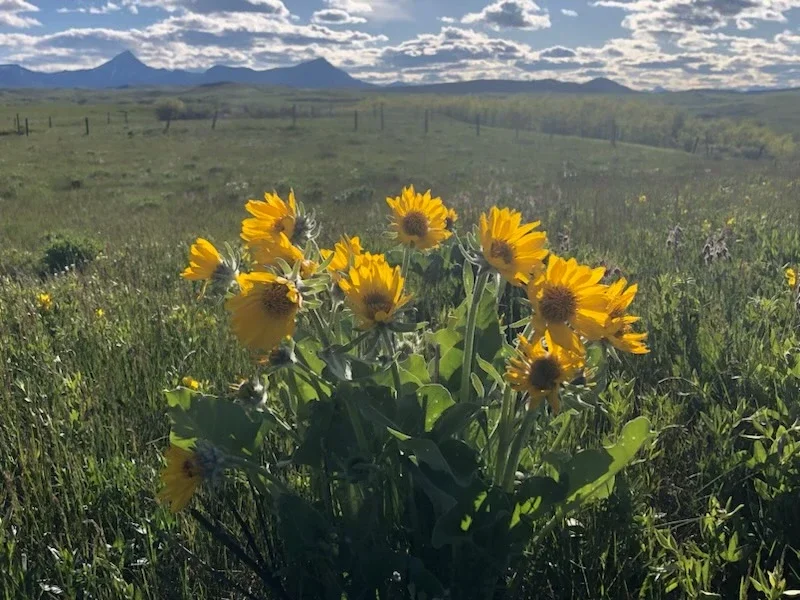
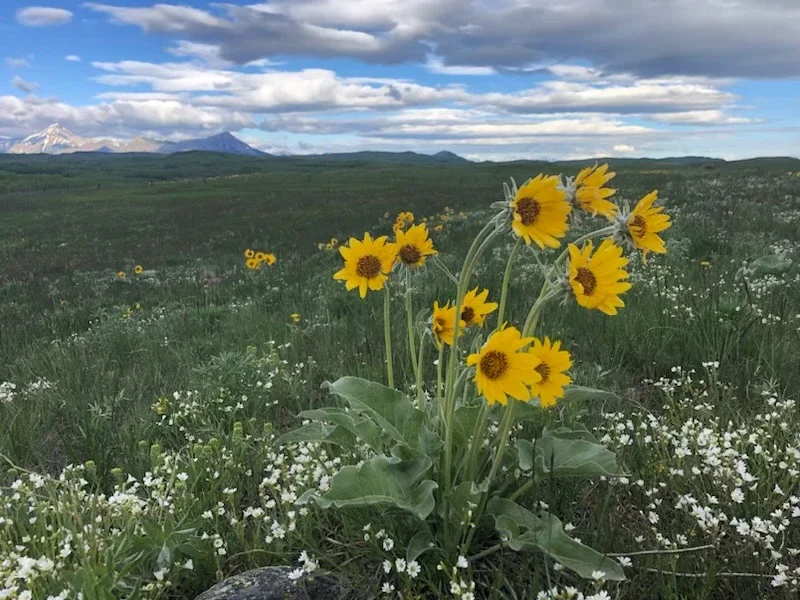
Because Waterton sits at the meeting point of prairie and mountain ecosystems, you'll also find prairie species like bright yellow Arrow-leaved Balsamroot growing right alongside mountain wildflowers such as wild white and pink Geraniums creating a floral collision unique to this corner of the world.
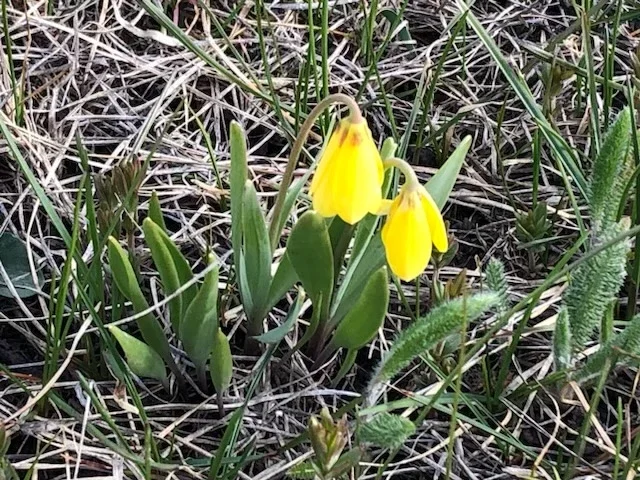
Where to Hike to See Wildflowers
For hikers, Waterton offers some truly memorable wildflower trails.
The Bellevue Trail is one of the best in the park for flower enthusiasts. A 7.4 km out-and-back route with minimal elevation gain that winds through a prairie bursting with spring and summer blooms along the Red Rock Parkway, it takes roughly 2.5 hours to complete and offers sweeping views of the park's eastern edge.
The Cameron Lakeshore Trail is the place to go for Beargrass, with its tall, fluffy flower heads towering above the lakeshore grasses. This scenic 3 km out-and-back trail meanders along the water with stunning mountain backdrops, and in spring the Beargrass display is truly theatrical.
Horseshoe Basin, accessible from Highway 6 north of the park gate, is a quieter corner of the park worth visiting in July when the vibrant pink Fireweed fills the landscape left transformed by wildfire.
Finally, Blakiston Fan is easily accessible by bike along the Kootenai Brown trail from the townsite and hosts a remarkable variety of species including the Silky Lupin. This favourite among wildflower lovers is a critical plant in the life cycle of the Half-moon Hairstreak butterfly, a critically endangered species found only in Waterton.
Guided Wildflower Tours
If you'd like to go beyond simply admiring the flowers and truly understand the remarkable ecosystem producing them, Waterton's guided tour options are excellent.
Tamarack Outdoors offers a Guided Wildflower Walk through Waterton Lakes National Park, running approximately two to four hours at an easy to moderate pace. Offered in May and June when the flowers are at their finest, the walk explores Waterton's unique ecology and introduces participants to many of the park's rarest species. Photography is enthusiastically encouraged.
Waterton Tours offers a three-hour Wildflower Walk that goes well beyond pointing out pretty petals. Led by an expert guide and self-described "resident plant nerd," the tour reveals the fascinating survival strategies these plants employ, from seeds hitching rides on passing wildlife to blooms engineered to outsmart mountain winds.
For something truly memorable, Alpine Stables offers horseback rides through Horseshoe Basin, crossing the prairie to a scenic outlook on Bellevue Hill before descending into Oil Basin. This ride is best in early summer when wildflowers are at their peak, and guests of Corner Mountain Inn receive a special discount at the stables.
Wildflowers from the Scenic Drives
Not every wildflower adventure requires boots. Waterton offers three outstanding scenic drives for those who prefer to take in the blooms from the comfort of their vehicle.
The Akamina Parkway climbs to higher elevations where Beargrass blooms line the roadside, and later in the season, vivid pink Fireweed dots the burnt forest as a reminder of nature's resilience.
The Red Rock Canyon Parkway is another spectacular option, with colourful blooms scattered along the roadside and numerous pull-outs where you can stop, step out, and breathe it all in.
For a closer look at the Blakiston Fan area and its protected wildflower habitat, turn off at the Hay Barn sign along the entrance road for a quieter, equally rewarding drive through one of the park's most botanically rich corners.
However you choose to explore, Waterton's wildflower season is an experience that stays with you long after the last petal falls.